



Free shipping to UK Mainland £50+
14-Day Returns Policy
Carbon Neutral Deliveries

Find Your Glow

Take 2 minutes to find your perfect routine

Get Started

Derma Loyalty Club

Earn points with every purchase

Join The Club
Added to bag

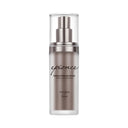
Epionce Intense Defense Serum

£128.00
+Derma Points

A clinically proven multivitamin anti-ageing serum with botanical Vitamins A–E to improve fine lines, radiance and overall skin health. Ideal for all skin types.

  • Clearpay
  • American Express
  • Apple Pay
  • Diners Club
  • Discover
  • Google Pay
  • Klarna
  • Maestro
  • Mastercard
  • PayPal
  • Shop Pay
  • Union Pay
  • USDC
  • Visa
Order by 3PM weekdays for same day dispatch
Dry Skin
Sensitive Skin
Wrinkles
Combination Skin Combination Skin
Oily Skin

Epionce Intense Defense Serum is an award-winning, multivitamin anti-ageing serum formulated with botanical sources of Vitamins A, B, C, D and E. This powerful yet gentle treatment targets the visible signs of ageing by supporting the skin’s natural repair processes and strengthening the barrier for smoother, healthier-looking skin.

Clinically proven to outperform leading professional-strength serums, it helps improve the appearance of fine lines, wrinkles, uneven tone and dullness. Suitable for all skin types, this fan-favourite sits perfectly under any moisturiser and enhances the performance of the entire Epionce range.

Benefits

  • Comprehensive multivitamin anti-ageing serum
  • Targets fine lines, wrinkles and uneven texture
  • Improves radiance, clarity and overall skin health
  • Clinically proven to outperform leading serums
  • Lightweight, fast-absorbing formula suitable for all skin types

Key Ingredients

  • Botanical Vitamin A – Supports cellular turnover to smooth and refine texture
  • Botanical Vitamin B – Helps strengthen the skin barrier and enhance hydration
  • Botanical Vitamin C – Brightens the complexion and provides antioxidant protection
  • Botanical Vitamin D – Supports barrier repair and skin resilience
  • Botanical Vitamin E – Protects against free radical damage and environmental stress

Apply 1-2 times daily.

30ml

Water, Propanediol, Niacinamide, Glycerin, Trisiloxane, Tetrahexyldecyl Ascorbate, PEG-7 Glyceryl Cocoate, Oryza Sativa (Rice) Bran Extract, Bidens Pilosa Extract, Bixa Orellana Seed Extract, Butylene Glycol, Caprylic/Capric Triglyceride, Caprylyl Glycol, Crithmum Maritimum Extract, Cucumis Melo (Melon) Fruit Extract, Disodium EDTA, Elaeis Guineensis (Palm) Oil, Ethylhexylglycerin, Glyceryl Stearate, Gossypium Herbaceum (Cotton) Seed Oil, Helianthus Annuus (Sunflower) Extract, Hexylene Glycol, Hydrogenated Vegetable Oil, Hydroxyethyl Acrylate/Sodium Acryloyldimethyl Taurate Copolymer, Hydroxypropyltrimonium Maltodextrin Crosspolymer, Lentinus Edodes Extract, Linum Usitatissimum (Linseed) Seed Oil, PEG-100 Stearate, Phenoxyethanol, Raspberry Seed Oil/Tocopheryl Succinate Aminopropanediol Esters, Rosmarinus Officinalis (Rosemary) Leaf Extract, Sodium Hyaluronate, Tocopherol, Tocopheryl Linoleate/Oleate.

Epionce

Epionce is a US-based skincare brand founded by clinical dermatologist Dr Carl Thornfeldt. It focuses on improving skin health through barrier repair and inflammation control rather than aggressive resurfacing. By blending botanical ingredients with proven actives, Epionce creates gentle yet highly effective solutions for a range of conditions, including ageing, acne, rosacea and sensitive skin.

Its products feature ceramides, cholesterol and free fatty acids to restore the skin’s protective barrier, plus anti-inflammatory complexes to calm and soothe. This barrier-first approach strengthens skin resilience, reduces visible irritation and supports long-term health.

Recommended by dermatologists and skin therapists alike, Epionce provides clinically validated results with minimal downtime. Its holistic philosophy makes it ideal for long-term use and maintaining overall skin wellness without sacrificing performance.

Your Bag
Ingredient
Peptides
Hyaluronic Acid
What It Is

Hyaluronic-acid a substance that retains moisture and is capable of binding over one thousand times its weight in water. This substance is naturally found in many areas of the human body, including the skin, eyes, and synovial fluid of the joints.

As we age, the production of key substances in the skin, including hyaluronic acid (along with collagen and elastin) decreases. As a result, our skin loses volume, hydration, and plumpness.

The substance works as a magnet for moisture, helping your cells retain as much of it as possible so that your skin feels and appears hydrated, plump and healthy.

What It Does

Moisturisers and serums are two of the most common form of hyaluronic acid.

  • Moisturisers. Use a moisturiser infused with hyaluronic acid at the time when you’d usually moisturise. Ideally, this would be 2 times a day and always after cleansing, exfoliating, or applying serums.
  • Serums. A hyaluronic acid serum involves a slightly different routine. After cleansing, use a toner on your skin and press a couple of drops of your serum into your face with the palms of your hands. Don’t forget to apply a moisturiser immediately afterward to seal in all that hydration.

This acid also plays well with most other skin actives, making it easy to pair with peels, retinols, vitamins, and other acids.

Benefits

When used in skincare products, including creams and serums, hyaluronic acid gives your complexion a boost by quickly increasing the skin's moisture level. It’s especially useful for reducing the appearance of wrinkles and age lines.

Vitamin C
What It Is

Vitamin C is an essential nutrient required for the growth and repair of tissues in all parts of the body, including the skin, but we cannot produce it on our own. The powerful antioxidant is found naturally in fruits and vegetables and commonly produced synthetically in skincare products, such as moisturisers, toners, and, most often, serums.

What It Does

How to use in your skincare routine?

Whether your skin is dry, oily, or a combination, vitamin C is beneficial for skin health, helping it look and feel healthier and younger longer.

Before you apply the vitamin C, test a patch of skin with a lower-concentration formula to see how your skin reacts. Some minor tingling is normal, but if you experience anything more intense, stop using the product and talk to your dermatologist.

For best results, apply this vitamin topically 1-2 times a day, morning and night. Be sure to apply a moisturiser with a broad-spectrum SPF after vitamin C application for daytime.

Benefits
  • Vitamin C makes sun damage and surface pigment spots less visible and brightens a dull, blotchy skin.
  • It is a powerful antioxidant that protects the skin from irritation, inflammation and environmental pollution.
  • It reduces red blotches left after spots by improving the skin’s natural healing process.
  • It increases the effectiveness of sunscreen and gives the skin better protection from UV rays 
Vitamin D
What It Is

Sometimes referred to as the “sun vitamin”, Vitamin-D is one of the best-known hormones made by the skin and it plays an important role within the body. Just like vitamin C, it has antioxidant properties to protect skin from the environment but goes beyond that to treat dullness, dry patches and impart a natural glow.

What It Does

How to use in your skincare routine?

From serum to moisturiser, brands are slowly starting to formulate products with the star ingredient. This vitamin is a lipid, so it is easily absorbed into the skin. Unlike vitamin C (which skin experts advise is better applied in the morning so that it can fend off environmental factors like pollution) or retinol (which works well as part of an evening routine), you can apply vitamin D products in the morning and in the evening. Of course, it is all down to personal preference.

While vitamin D is touted as a soothing, calming, redness-reducing ingredient, if you find that your skin reacts to vitamin D, stop using it immediately and consult a qualified dermatologist.

Benefits

The most studied role for topical vitamin D is as an anti-inflammatory, specifically used to treat skin conditions, such as psoriasis. It also has antioxidant and anti-aging benefits, helping improve cell turnover and neutralise free radical damage.

Studies have shown vitamin D to inhibit the effects of UV radiation when applied just before exposure to the sun, protecting the skin from fine lines and sun spots.

Vitamin E
What It Is

Vitamin E is a fat-soluble, essential nutrient with anti-inflammatory properties. Vitamin E helps support the immune system, cell function, and skin health. It’s an antioxidant, making it effective at combating the effects of free radicals produced by the metabolism of food and toxins in the environment.

Vitamin E is a powerful antioxidant that may be effective at reducing UV damage in skin. And when applied topically may help nourish and protect your skin from damage caused by free radicals.

What It Does

How to use in your skincare routine?

It can be used underneath moisturiser and sunscreen in the morning [if it’s a vitamin E oil] and is sometimes combined with other antioxidants, such as Vitamin C in Serums.

Best suited for those with dry, very dry, or mature skin.

Avoid using if you have very oily, acne prone skin or those prone to sensitivity.

Benefits

In moisturisers it can:

  • Stop skin from losing moisture.
  • Protect cells from damage.
  • Soften skin.
Antioxidants