


Free shipping to UK Mainland £50+
14-Day Returns Policy
Carbon Neutral Deliveries

Find Your Glow

Take 2 minutes to find your perfect routine

Get Started

Derma Loyalty Club

Earn points with every purchase

Join The Club
Added to bag

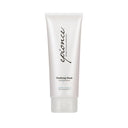
Epionce Purifying Wash

£41.00
+Derma Points

Refreshing daily gel cleanser with salicylic acid to clear blemishes and reduce imperfections without dryness. Suitable for face and body.

  • Clearpay
  • American Express
  • Apple Pay
  • Diners Club
  • Discover
  • Google Pay
  • Klarna
  • Maestro
  • Mastercard
  • PayPal
  • Shop Pay
  • Union Pay
  • USDC
  • Visa
Order by 3PM weekdays for same day dispatch
Wrinkles
Combination Skin Combination Skin
Oily Skin
Acne / Blemish-Prone

Epionce Purifying Wash is a refreshing daily cleansing gel for the face and body, formulated to help clear blemishes and improve the visible appearance of imperfections. Featuring salicylic acid and soothing botanical ingredients, it works deep within the pores to dissolve excess oil, remove impurities and reduce surface shine—without over-drying or irritating the skin.

Ideal for oily, congested or problem-prone skin, this purifying cleanser leaves the complexion looking clearer, cleaner and more balanced. For best results, pair with the Epionce Purifying Spot Gel to target stubborn breakouts.

Benefits

  • Proven to visibly reduce blemishes without causing dryness
  • Ideal for oily and problem-prone skin types
  • Improves the visible appearance of imperfections
  • Suitable for face and body use

Key Ingredients

  • Salicylic Acid – Helps unclog pores, reduce excess oil and clear blemishes
  • Willow Bark Extract – Natural source of salicylates to soothe and support clearer skin
  • Botanical Antioxidants – Help calm irritation and protect the skin barrier

Massage gently onto damp skin and rinse with warm water.

236ml

Water, Sodium Cocoamphoacetate, Lauryl Glucoside, Glycerin, Butylene Glycol, Polyacrylate Crosspolymer-6, Sodium Lauroyl Sarcosinate, Salix Alba (Willow) Bark Extract, Sodium Cocoyl Glutamate, Sodium Lauryl Glucose Carboxylate, Althaea Officinalis Root Extract, Caprylyl Glycol, Citrus Sinensis Peel Oil Expressed, Coco-Glucoside, Disodium EDTA, Ethylhexylglycerin, Glyceryl Oleate, Hexylene Glycol, Mentha Viridis (Spearmint) Leaf Oil, Menthol, Phenoxyethanol, Phoenix Dactylifera (Date) Fruit Extract, Salicylic Acid, Tetrasodium EDTA.

Epionce

Epionce is a US-based skincare brand founded by clinical dermatologist Dr Carl Thornfeldt. It focuses on improving skin health through barrier repair and inflammation control rather than aggressive resurfacing. By blending botanical ingredients with proven actives, Epionce creates gentle yet highly effective solutions for a range of conditions, including ageing, acne, rosacea and sensitive skin.

Its products feature ceramides, cholesterol and free fatty acids to restore the skin’s protective barrier, plus anti-inflammatory complexes to calm and soothe. This barrier-first approach strengthens skin resilience, reduces visible irritation and supports long-term health.

Recommended by dermatologists and skin therapists alike, Epionce provides clinically validated results with minimal downtime. Its holistic philosophy makes it ideal for long-term use and maintaining overall skin wellness without sacrificing performance.
Your Bag
Ingredient
Peptides
AHAs / BHAs / PHAs
What It Is

The world of acids can be divided into a few categories, three to be precise: Alpha Hydroxy Acids (AHAs), Beta Hydroxy Acids (BHAs) and the underdog, Polyhydroxy Acids (PHAs). If you're using a skincare acid, it'll fall into one of these three categories.

AHAs

These may ring some bells as you're bound to find an AHA already hiding in your skincare routine. AHAs are chemical exfoliators that can be extremely helpful for oily or blemish-prone skin if used on a regular basis.
The top dogs in this category are Glycolic Acid and Lactic Acid. You can find them mixed in with serums, moisturisers, cleansers and toners, depending on how high of a dosage you want to use (the smaller the percentage, the less potent the formula).

BHAs

Whilst they are also chemical exfoliators, AHAs and BHAs treat different skin problems.
AHAs are ideal for those concerned with ageing skin, whereas BHAs are best for those who are one the oilier side of the skincare spectrum and struggle with acne, blackheads and milia (the little white bumps you sometimes see under the skin).
Whilst AHAs are only water soluble, BHAs are oil soluble, which is why they are ideal for those struggling with an oil-slick T-zone. They can get below the oil that’s clogging up your skin and also have antibacterial and anti-inflammatory properties. So they help spots disappear quicker and calm any redness.
The most popular BHA is Salicylic Acid. It can be found in a range of different formulas targeted at spot treatments.

PHAs

The underdog of the acid trilogy, PHAs don't get the praise they deserve.

"PHAs (AKA Polyhydroxy Acids) are very similar to traditional alpha hydroxy acids, because both work by breaking down the 'glue' that binds dull, dead cells to the surface of the skin." Daniel Isaacs, Scientific Director at Medik8

They're especially beneficial for those who find other acids too strong. 'Even very sensitive skin types can harness the resurfacing powers of PHAs,' says Daniel. 'In clinical studies, they have been proven to be compatible with dry, itchy skin conditions such as eczema and atopic rosacea.'
The most common PHA acids are Gluconolactone, Galactose and Lactobionic - bit of a mouthful to say but well worth looking out for the next time you’re in the market for a new chemical exfoliant.

Salicylic Acid
What It Is

Salicylic acid is derived from willow bark, it belongs to a class of ingredients called salicylates. It's structure is a little complicated, but understanding it is important to learning why (and how) it works so well.

When it comes to skincare products, there are two classes of acids you'll see often: beta hydroxy acids (BHAs) and alpha hydroxy acids (AHAs). Salicylic acid is a beta hydroxy acid. This means the hydroxy part of the molecule is separated from the acid part by two carbon atoms, as opposed to an alpha hydroxy acid where they're separated by one carbon atom.

Both alpha and beta hydroxy acids exfoliate the skin, but AHAs are water-soluble, while BHAs are oil-soluble. Generally, oil-soluble ingredients penetrate through the lipid layers between the skin cells more readily. In other words, oil-soluble ingredients can penetrate the skin at a deeper level than their water-soluble counterparts.

AHAs work well on the skin's surface to loosen old, dead skin and reveal fresh newer skin. Salicylic acid works deeper and is able to penetrate into the pores to unclog them.

What It Does

As with any exfoliant, it's best to start slow if you have sensitive skin or are prone to irritation. Salicylic acid-based products are safe to use daily once the skin has acclimatised. If you have oily skin, you are more likely to be able to tolerate this quicker.

If your skin type is dry or sensitive, it's more likely that salicylic acid could cause some irritation initially so a more gradual introduction may be required.

Benefits

Salicylic acid can get deep into your skin to do its job. This quality is precisely what makes it such a potent ingredient for targeting acne — especially for blackheads and whiteheads.

Once it penetrates the skin, salicylic acid dissolves skin debris that clogs pores, acts as an anti-inflammatory, and also helps red, inflamed pimples and pustules go away faster.

The ingredient can penetrate so deeply into skin that actually breaks down the connections between skin cells. Once it has penetrated the skin, the acid part of the molecule can dissolve some of the intracellular 'glue' that holds skin cells together.