


Free shipping to UK Mainland £50+
14-Day Returns Policy
Carbon Neutral Deliveries

Find Your Glow

Take 2 minutes to find your perfect routine

Get Started

Derma Loyalty Club

Earn points with every purchase

Join The Club
Added to bag

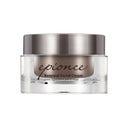
Epionce Renewal Facial Cream

£84.00
+Derma Points

Rich, revitalising anti-ageing cream that hydrates, firms and smooths fine lines while improving clarity and radiance. Clinically proven when paired with Lytic Tx.

  • Clearpay
  • American Express
  • Apple Pay
  • Diners Club
  • Discover
  • Google Pay
  • Klarna
  • Maestro
  • Mastercard
  • PayPal
  • Shop Pay
  • Union Pay
  • USDC
  • Visa
Order by 3PM weekdays for same day dispatch
Dry Skin
Sensitive Skin
Wrinkles
Combination Skin Combination Skin

Epionce Renewal Facial Cream is the brand’s flagship moisturiser and a long-standing favourite for improving visible signs of ageing. This rich, luxurious formula is expertly crafted to reduce the appearance of fine lines, wrinkles and uneven texture while boosting clarity and luminosity for healthier-looking skin.

Powered by advanced botanical complexes, it strengthens the skin barrier, enhances radiance and promotes smoother, firmer skin with daily use. When paired with an Epionce Lytic Tx product, Renewal Facial Cream is clinically proven to deliver superior anti-ageing results compared to leading retinoids—without irritation.

Benefits

  • Targets and helps reverse visible signs of ageing
  • Clinically proven anti-ageing results when used with Lytic Tx
  • Deeply hydrating formula for smoother, firmer skin
  • Boosts luminosity and improves overall skin clarity
  • Strengthens and supports a healthy skin barrier

Key Ingredients

  • Botanical Complexes – Help rejuvenate and smooth the skin while supporting barrier repair
  • Ceramides, Cholesterol & Fatty Acids – Restore moisture balance and promote firmer, healthier skin
  • Antioxidant-Rich Extracts – Protect skin from environmental stressors and help improve visible ageing

Apply 1-3 times daily.

50g

Water, Butylene Glycol, Trisiloxane, Petrolatum, Limnanthes Alba (Meadowfoam) Seed Oil, Carthamus Tinctorius (Safflower) Seed Oil, C10-30 Cholesterol/Lanosterol Esters, Glycerin, PPG-2 Myristyl Ether Propionate, Beeswax, C13-14 Isoalkane, Laureth-7, Polyacrylamide, C12-15 Alkyl Benzoate, Caprylyl Glycol, Cetearyl Alcohol, Cetyl Alcohol, Citrus Aurantium Dulcis (Orange) Peel Oil, Citrus Limon (Lemon) Peel Oil, Cymbopogon Citratus Leaf/Stem Oil, Ethylene Brassylate, Ethylhexylglycerin, Glyceryl Stearate, Hexylene Glycol, Lavandula Hybrida (Lavandin) Oil, Linalool, Linalyl Acetate, Linum Usitatissimum (Linseed) Seed Oil, Litsea Cubeba Fruit Oil, Malic Acid, Octanal, Olea Europaea (Olive) Fruit Oil, PEG-100 Stearate, Persea Gratissima (Avocado) Oil, Phenoxyethanol, Phoenix Dactylifera (Date) Fruit Extract, Phytosphingosine, Phytosterols, Polysorbate 60, Pyrus Malus (Apple) Fruit Extract, Quercetin, Rosa Canina Fruit Oil, Sodium Hyaluronate, Sodium Hydroxide.

Epionce

Epionce is a US-based skincare brand founded by clinical dermatologist Dr Carl Thornfeldt. It focuses on improving skin health through barrier repair and inflammation control rather than aggressive resurfacing. By blending botanical ingredients with proven actives, Epionce creates gentle yet highly effective solutions for a range of conditions, including ageing, acne, rosacea and sensitive skin.

Its products feature ceramides, cholesterol and free fatty acids to restore the skin’s protective barrier, plus anti-inflammatory complexes to calm and soothe. This barrier-first approach strengthens skin resilience, reduces visible irritation and supports long-term health.

Recommended by dermatologists and skin therapists alike, Epionce provides clinically validated results with minimal downtime. Its holistic philosophy makes it ideal for long-term use and maintaining overall skin wellness without sacrificing performance.

Your Bag
Ingredient
Peptides
Antioxidants
Hyaluronic Acid
What It Is

Hyaluronic-acid a substance that retains moisture and is capable of binding over one thousand times its weight in water. This substance is naturally found in many areas of the human body, including the skin, eyes, and synovial fluid of the joints.

As we age, the production of key substances in the skin, including hyaluronic acid (along with collagen and elastin) decreases. As a result, our skin loses volume, hydration, and plumpness.

The substance works as a magnet for moisture, helping your cells retain as much of it as possible so that your skin feels and appears hydrated, plump and healthy.

What It Does

Moisturisers and serums are two of the most common form of hyaluronic acid.

  • Moisturisers. Use a moisturiser infused with hyaluronic acid at the time when you’d usually moisturise. Ideally, this would be 2 times a day and always after cleansing, exfoliating, or applying serums.
  • Serums. A hyaluronic acid serum involves a slightly different routine. After cleansing, use a toner on your skin and press a couple of drops of your serum into your face with the palms of your hands. Don’t forget to apply a moisturiser immediately afterward to seal in all that hydration.

This acid also plays well with most other skin actives, making it easy to pair with peels, retinols, vitamins, and other acids.

Benefits

When used in skincare products, including creams and serums, hyaluronic acid gives your complexion a boost by quickly increasing the skin's moisture level. It’s especially useful for reducing the appearance of wrinkles and age lines.

AHAs / BHAs / PHAs
What It Is

The world of acids can be divided into a few categories, three to be precise: Alpha Hydroxy Acids (AHAs), Beta Hydroxy Acids (BHAs) and the underdog, Polyhydroxy Acids (PHAs). If you're using a skincare acid, it'll fall into one of these three categories.

AHAs

These may ring some bells as you're bound to find an AHA already hiding in your skincare routine. AHAs are chemical exfoliators that can be extremely helpful for oily or blemish-prone skin if used on a regular basis.
The top dogs in this category are Glycolic Acid and Lactic Acid. You can find them mixed in with serums, moisturisers, cleansers and toners, depending on how high of a dosage you want to use (the smaller the percentage, the less potent the formula).

BHAs

Whilst they are also chemical exfoliators, AHAs and BHAs treat different skin problems.
AHAs are ideal for those concerned with ageing skin, whereas BHAs are best for those who are one the oilier side of the skincare spectrum and struggle with acne, blackheads and milia (the little white bumps you sometimes see under the skin).
Whilst AHAs are only water soluble, BHAs are oil soluble, which is why they are ideal for those struggling with an oil-slick T-zone. They can get below the oil that’s clogging up your skin and also have antibacterial and anti-inflammatory properties. So they help spots disappear quicker and calm any redness.
The most popular BHA is Salicylic Acid. It can be found in a range of different formulas targeted at spot treatments.

PHAs

The underdog of the acid trilogy, PHAs don't get the praise they deserve.

"PHAs (AKA Polyhydroxy Acids) are very similar to traditional alpha hydroxy acids, because both work by breaking down the 'glue' that binds dull, dead cells to the surface of the skin." Daniel Isaacs, Scientific Director at Medik8

They're especially beneficial for those who find other acids too strong. 'Even very sensitive skin types can harness the resurfacing powers of PHAs,' says Daniel. 'In clinical studies, they have been proven to be compatible with dry, itchy skin conditions such as eczema and atopic rosacea.'
The most common PHA acids are Gluconolactone, Galactose and Lactobionic - bit of a mouthful to say but well worth looking out for the next time you’re in the market for a new chemical exfoliant.

Lactic Acid
What It Is

Lactic acid is a chemical exfoliant that comes from the fermentation of lactose a carbohydrate found in milk. ‌Like glycolic and mandelic acids, this acid belongs to the alpha hydroxy acid (AHA) family. AHAs are water-soluble organic compounds that, in cosmetic formulations, offer unparalleled benefits for the skin.

What It Does

It’s advised that you gradually introduce this exfoliant into your daily routine.

And while most lactic acid products are suggested for use before bed, you should always carefully read the instructions and labels. If you’ve got sensitive or tricky skin, do a patch test with the product before going all the way.

Since AHAs, including lactic acid, work to peel away and soften the top layer of your epidermis, there’s always a risk that your skin can be more exposed to the elements, including the sun.

Therefore, it’s advised that you pair your lactic acid use with a sunscreen or a SPF-containing product.

Benefits

Lactic acid has many known perks. It increases cell turnover and helps eliminate accumulated dead skin cells on the epidermis — the top layer of the skin.

After using lactic acid, you'll notice a brighter and smoother complexion. This AHA exfoliant helps treat moderate to severe hyper-pigmentation. It can fade out age spots and reduce the appearance of wrinkles and highly visible pores. This acid is one of the mildest forms of AHA, so it's safe to use it on sensitive skin in the right concentrations.


Vitamin E
What It Is

Vitamin E is a fat-soluble, essential nutrient with anti-inflammatory properties. Vitamin E helps support the immune system, cell function, and skin health. It’s an antioxidant, making it effective at combating the effects of free radicals produced by the metabolism of food and toxins in the environment.

Vitamin E is a powerful antioxidant that may be effective at reducing UV damage in skin. And when applied topically may help nourish and protect your skin from damage caused by free radicals.

What It Does

How to use in your skincare routine?

It can be used underneath moisturiser and sunscreen in the morning [if it’s a vitamin E oil] and is sometimes combined with other antioxidants, such as Vitamin C in Serums.

Best suited for those with dry, very dry, or mature skin.

Avoid using if you have very oily, acne prone skin or those prone to sensitivity.

Benefits

In moisturisers it can:

  • Stop skin from losing moisture.
  • Protect cells from damage.
  • Soften skin.