




Free shipping to UK Mainland £50+
14-Day Returns Policy
Carbon Neutral Deliveries

Find Your Glow

Take 2 minutes to find your perfect routine

Get Started

Derma Loyalty Club

Earn points with every purchase

Join The Club
Added to bag
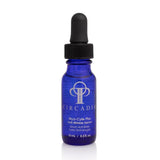
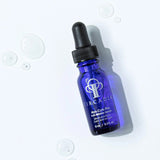
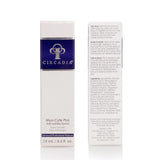
Circadia Myo-Cyte Plus Serum

Circadia Myo-Cyte Plus Serum

A powerful peptide-driven anti-ageing serum that smooths expression lines, firms skin, boosts collagen and provides deep hydration for a youthful, rejuvenated appearance.

This product is not available to purchase online. For further info, pricing or to place an order - please get in touch.

AVAILABLE TO MESSAGE 24/7 we will respond during normal working hours

Lines open Mon - Fri 9am - 5pm

Dry Skin
Sensitive Skin
Wrinkles

Circadia Myo-Cyte Plus Serum is an award-winning, advanced anti-ageing formula designed to smooth, firm and rejuvenate the skin using clinically proven peptide technology. This powerful serum targets expression lines, fine lines and deeper wrinkles by combining muscle-relaxing peptides, collagen-boosting complexes and antioxidant-rich botanicals for visibly younger-looking skin.

The lightweight texture absorbs quickly, delivering intensive hydration with hyaluronic acid while supporting firmness and elasticity through Matrixyl peptides. Antioxidant extracts from passionflower and rosemary help protect the skin from daily environmental stress, soothe irritation and maintain overall skin health.

Benefits

  • Reduces the appearance of fine lines and wrinkles with muscle-relaxing peptides that soften expression lines.
  • Promotes firmer, smoother skin by supporting collagen production and improving elasticity.
  • Deeply hydrates and nourishes to maintain suppleness and prevent moisture loss.
  • Award-winning peptide technology delivers advanced, professional-grade anti-ageing results.

Key Ingredients

  • Acetyl Glutamyl Heptapeptide-1 (SNAP-8) – Reduces wrinkle depth by targeting expression lines.
  • Palmitoyl Pentapeptide-4 (Matrixyl) – Stimulates collagen synthesis to improve firmness and texture.
  • Palmitoyl Tetrapeptide-7 & Palmitoyl Oligopeptide (Matrixyl 3000) – Supports anti-inflammatory repair while reducing fine lines.
  • Acetyl Hexapeptide-30 (Inyline) – Helps relax facial muscles for smoother skin, mimicking filler-like benefits.
  • Hyaluronic Acid – Deep hydration for plumper, smoother skin.
  • Magnesium Ascorbyl Phosphate – A stable vitamin C derivative that brightens tone and boosts collagen.
  • Passionflower & Rosemary Leaf Extract – Antioxidant botanicals that protect, soothe and support overall skin health.

Perfect for anyone seeking a powerful, non-invasive solution to visible ageing, Myo-Cyte Plus Serum delivers smoother, firmer, more resilient skin with consistent use.

Morning and evening after cleansing, apply one or two drops to fingertips and smooth over expression areas of the face (forehead, around mouth and outside corner of the eyes). Do not apply to eye lids.

15ml

Aqua (Water), Hyaluronic Acid, Ethoxydiglycol, Acetyl Glutamyl Heptapeptide-1, Palmitoyl Pentapeptide-4, Acetyl Hexapeptide-30, Arginine, Palmitoyl Oligopeptide, Palmitoyl Tetrapeptide-7, Glycerin, Butylene Glycol, Carbomer, Magnesium Ascorbyl Phosphate, Carnosine, Proline, Glycine, Threonine, Passiflora Incarnata (Passion) Flower, Rosmarinus Officinalis (Rosemary) Leaf Extract, Matricaria Recutita Flower Extract, Polysorbate 20, Tetrasodium EDTA, Caprylyl Glycol, Phenoxyethanol, Hexylene Glycol

Circadia

Circadia is a science-led professional skincare brand founded by Dr. Peter T. Pugliese, a pioneer in skin chronobiology. The line is built around the principle that the skin’s needs differ during day and night, and that treatment success depends on working with the body’s natural rhythms.

The range combines advanced peptide technology, innovative delivery systems, and botanicals to address ageing, pigmentation, acne and sensitive skin. In the clinic, Circadia protocols focus on repairing and protecting by day and stimulating repair at night, while its homecare extends professional results.

With an emphasis on education and ongoing research, Circadia partners with skin professionals worldwide to deliver evidence-based skincare that synchronises with the body for visible, long-lasting results.

Your Bag
Ingredient
Glycerin
What It Is

Glycerin works as a humectant, it attracts moisture from the air into the stratum corneum (top layer of skin), and due to its low molecular weight, will continue to draw moisture to the deeper layers of the dermis.

Glycerin also treats several skin disorders, ranging from dry skin to wound healing. The ingredient has the potential of improving your overall internal health as well.

Due to its versatility and ability to moisturise, it’s used in everything from lotions to soaps to toners.

What It Does

How to use in your skincare routine?

Products with glycerin can be used topically multiple times a day. You can safely and effectively use this ingredient in nearly every single step of your skin care routine. Several skin care brands use glycerin when formulating everything from cleansers and toners, to serums and moisturisers.

Benefits
  • Glycerin tightens and firms - Use this ingredient for a few weeks or even a few days and we think you'll find that it plumps and softens your look significantly, especially if you have more mature skin.
  • It improves your complexion - Glycerin is non-comedogenic, meaning it won’t clog pores.
  • It brightens - Between glycerin’s rejuvenating properties and its ability to moisturise, glycerin plays a key role in keeping skin looking bright and luminous.
  • The ingredient is also a good choice for sensitive skin. Because it’s a natural component of skin, it calms redness and inflammation. It’s one of the gentler ingredients you can find in skin care products and can even help alleviate sensitivity over time.
Peptides
AHAs / BHAs / PHAs
What It Is

The world of acids can be divided into a few categories, three to be precise: Alpha Hydroxy Acids (AHAs), Beta Hydroxy Acids (BHAs) and the underdog, Polyhydroxy Acids (PHAs). If you're using a skincare acid, it'll fall into one of these three categories.

AHAs

These may ring some bells as you're bound to find an AHA already hiding in your skincare routine. AHAs are chemical exfoliators that can be extremely helpful for oily or blemish-prone skin if used on a regular basis.
The top dogs in this category are Glycolic Acid and Lactic Acid. You can find them mixed in with serums, moisturisers, cleansers and toners, depending on how high of a dosage you want to use (the smaller the percentage, the less potent the formula).

BHAs

Whilst they are also chemical exfoliators, AHAs and BHAs treat different skin problems.
AHAs are ideal for those concerned with ageing skin, whereas BHAs are best for those who are one the oilier side of the skincare spectrum and struggle with acne, blackheads and milia (the little white bumps you sometimes see under the skin).
Whilst AHAs are only water soluble, BHAs are oil soluble, which is why they are ideal for those struggling with an oil-slick T-zone. They can get below the oil that’s clogging up your skin and also have antibacterial and anti-inflammatory properties. So they help spots disappear quicker and calm any redness.
The most popular BHA is Salicylic Acid. It can be found in a range of different formulas targeted at spot treatments.

PHAs

The underdog of the acid trilogy, PHAs don't get the praise they deserve.

"PHAs (AKA Polyhydroxy Acids) are very similar to traditional alpha hydroxy acids, because both work by breaking down the 'glue' that binds dull, dead cells to the surface of the skin." Daniel Isaacs, Scientific Director at Medik8

They're especially beneficial for those who find other acids too strong. 'Even very sensitive skin types can harness the resurfacing powers of PHAs,' says Daniel. 'In clinical studies, they have been proven to be compatible with dry, itchy skin conditions such as eczema and atopic rosacea.'
The most common PHA acids are Gluconolactone, Galactose and Lactobionic - bit of a mouthful to say but well worth looking out for the next time you’re in the market for a new chemical exfoliant.

Hyaluronic Acid
What It Is

Hyaluronic-acid a substance that retains moisture and is capable of binding over one thousand times its weight in water. This substance is naturally found in many areas of the human body, including the skin, eyes, and synovial fluid of the joints.

As we age, the production of key substances in the skin, including hyaluronic acid (along with collagen and elastin) decreases. As a result, our skin loses volume, hydration, and plumpness.

The substance works as a magnet for moisture, helping your cells retain as much of it as possible so that your skin feels and appears hydrated, plump and healthy.

What It Does

Moisturisers and serums are two of the most common form of hyaluronic acid.

  • Moisturisers. Use a moisturiser infused with hyaluronic acid at the time when you’d usually moisturise. Ideally, this would be 2 times a day and always after cleansing, exfoliating, or applying serums.
  • Serums. A hyaluronic acid serum involves a slightly different routine. After cleansing, use a toner on your skin and press a couple of drops of your serum into your face with the palms of your hands. Don’t forget to apply a moisturiser immediately afterward to seal in all that hydration.

This acid also plays well with most other skin actives, making it easy to pair with peels, retinols, vitamins, and other acids.

Benefits

When used in skincare products, including creams and serums, hyaluronic acid gives your complexion a boost by quickly increasing the skin's moisture level. It’s especially useful for reducing the appearance of wrinkles and age lines.