
Free shipping to UK Mainland £50+
14-Day Returns Policy
Carbon Neutral Deliveries

Find Your Glow

Take 2 minutes to find your perfect routine

Get Started

Derma Loyalty Club

Earn points with every purchase

Join The Club
Added to bag
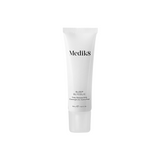
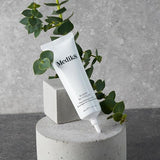
Medik8 Sleep Glycolic

Medik8 Sleep Glycolic

£39.00
+Derma Points

A 10% encapsulated glycolic acid overnight peel that brightens, smooths and decongests skin with minimal irritation while you sleep.

  • Clearpay
  • American Express
  • Apple Pay
  • Diners Club
  • Discover
  • Google Pay
  • Klarna
  • Maestro
  • Mastercard
  • PayPal
  • Shop Pay
  • Union Pay
  • USDC
  • Visa
Order by 3PM weekdays for same day dispatch
Dry Skin
Wrinkles
Combination Skin Combination Skin
Oily Skin

Medik8 Sleep Glycolic is your effortless shortcut to brighter, smoother and clearer skin — perfect for busy routines, low-maintenance skincare lovers, or anyone who prioritises beauty sleep. Powered by a true 10% encapsulated, time-release glycolic acid, this overnight peel works hard while you rest, revealing fresh, radiant skin by morning.

As the smallest AHA, glycolic acid penetrates deeply to accelerate cellular turnover, dissolve dull surface cells, and decongest pores. Thanks to Medik8’s advanced encapsulation delivery, the acid is released slowly throughout the night, reducing irritation while maintaining a healthy skin barrier.

Wake up to a smoother, more luminous complexion with refined texture and enhanced clarity — with zero extra effort. Simply apply, drift off, and let the formula transform your skin overnight.

Benefits

  • Brightens dull, lacklustre skin overnight.
  • Smooths texture and softens fine lines.
  • Decongests to minimise breakouts and blocked pores.
  • Time-release technology ensures maximum results with minimal irritation.
  • Perfect for fast, low-effort exfoliation.

Key Ingredients

  • 10% Encapsulated Glycolic Acid – A deeply penetrating AHA delivered slowly throughout the night to boost cell turnover while keeping irritation low.
  • Glycerin – Helps maintain hydration and comfort during exfoliation.
  • Soothing Botanicals – Support skin comfort and barrier balance while resurfacing occurs.

For use 2-3 times a week.After cleansing in the evening, smooth a pea-sized amount of Sleep Glycolic onto the face, neck and décolletage, avoiding the eye area.Follow with other serums and night moisturiser.Leave on overnight.Always wear sunscreen the next day after using Sleep Glycolic.

A note on layering; as Sleep Glycolic is a direct acid, it should be the first step in your evening skincare routine. Layer all other serums and moisturisers over this.

30ml

Aqua (Water), Glycolic Acid, Cyclodextrin, Caprylic/Capric Triglyceride, Dimethicone, Glyceryl Stearate, Sucrose Stearate, Sodium Hydroxide, Glycerin, Phenoxyethanol, Lespedeza Capitata Flower/Leaf/Stem Extract, Propanediol, Xanthan Gum, Ethylhexylglycerin, Hydroxyethyl Acrylate/Sodium Acryloyldimethyl Taurate Copolymer, Polysorbate 60, Sorbitan Isostearate.

Medik8

Medik8 products are built on the ground breaking methodology of the CSA philosophy. The simple yet impactful skincare regime follows the approach of Vitamin C + Sunscreen by day and Vitamin A by night.

Medik8 Vitamin C products like Medik8 C-Tetra focuses on building shields against daily life while promoting the production of collagen.

Medik8 sunscreen products like Medik8 Advanced Day Total Protect focus on high strengths sun protection to protect your skin from sun damage

Medik8 Vitamin A night creams and serums focus on cellular renewal and reduce production of sebum. Whether you’re starting out with Crystal Retinal 1 or advanced Intelligent Retinol 10TR, Medik8 Vitamin A serums are some of the most advanced in skincare
Your Bag
Ingredient
Glycerin
What It Is

Glycerin works as a humectant, it attracts moisture from the air into the stratum corneum (top layer of skin), and due to its low molecular weight, will continue to draw moisture to the deeper layers of the dermis.

Glycerin also treats several skin disorders, ranging from dry skin to wound healing. The ingredient has the potential of improving your overall internal health as well.

Due to its versatility and ability to moisturise, it’s used in everything from lotions to soaps to toners.

What It Does

How to use in your skincare routine?

Products with glycerin can be used topically multiple times a day. You can safely and effectively use this ingredient in nearly every single step of your skin care routine. Several skin care brands use glycerin when formulating everything from cleansers and toners, to serums and moisturisers.

Benefits
  • Glycerin tightens and firms - Use this ingredient for a few weeks or even a few days and we think you'll find that it plumps and softens your look significantly, especially if you have more mature skin.
  • It improves your complexion - Glycerin is non-comedogenic, meaning it won’t clog pores.
  • It brightens - Between glycerin’s rejuvenating properties and its ability to moisturise, glycerin plays a key role in keeping skin looking bright and luminous.
  • The ingredient is also a good choice for sensitive skin. Because it’s a natural component of skin, it calms redness and inflammation. It’s one of the gentler ingredients you can find in skin care products and can even help alleviate sensitivity over time.
Glycolic Acid
What It Is

Glycolic acid is a type of alpha-hydroxy acid (or AHA) that's derived from sugar cane. It joins other acids you might recognize, such as lactic acid (derived from sour milk and purportedly a favorite of Cleopatra's), tartaric acid (from grapes), and citric acid - which, you might guess, comes from citrus fruits.

But it's unique, of the AHAs, glycolic is the simplest in structure and the smallest, it has the lowest molecular weight. That small molecular weight means it's easy for it to penetrate your skin and be super effective.

What It Does

As with any exfoliant, it's best to start small if you have sensitive skin or are prone to irritation. We recommend initially opting for a cleanser which will allow your skin to acclimatise first, rather than diving straight into a leave-on glycolic product if you are unsure whether your skin can tolerate it. Try one that pairs glycolic with hydrating ingredients, like hyaluronic acid.

Benefits

When it comes to glycolic acid benefits, the list is long. First and foremost, this is an exfoliant. It helps shed dead skin cells and reveal the newer, brighter layers underneath by acting on the stratum corneum (the outermost layer of skin).

But because glycolic acid is so small, it can get deeper into your skin too, where it does some serious work. Glycolic acid stimulates fibroblasts in the dermis to produce increased amounts of collagen. By stimulating collagen production, it helps skin feel firmer and minimises fine lines and wrinkles.

AHAs / BHAs / PHAs
What It Is

The world of acids can be divided into a few categories, three to be precise: Alpha Hydroxy Acids (AHAs), Beta Hydroxy Acids (BHAs) and the underdog, Polyhydroxy Acids (PHAs). If you're using a skincare acid, it'll fall into one of these three categories.

AHAs

These may ring some bells as you're bound to find an AHA already hiding in your skincare routine. AHAs are chemical exfoliators that can be extremely helpful for oily or blemish-prone skin if used on a regular basis.
The top dogs in this category are Glycolic Acid and Lactic Acid. You can find them mixed in with serums, moisturisers, cleansers and toners, depending on how high of a dosage you want to use (the smaller the percentage, the less potent the formula).

BHAs

Whilst they are also chemical exfoliators, AHAs and BHAs treat different skin problems.
AHAs are ideal for those concerned with ageing skin, whereas BHAs are best for those who are one the oilier side of the skincare spectrum and struggle with acne, blackheads and milia (the little white bumps you sometimes see under the skin).
Whilst AHAs are only water soluble, BHAs are oil soluble, which is why they are ideal for those struggling with an oil-slick T-zone. They can get below the oil that’s clogging up your skin and also have antibacterial and anti-inflammatory properties. So they help spots disappear quicker and calm any redness.
The most popular BHA is Salicylic Acid. It can be found in a range of different formulas targeted at spot treatments.

PHAs

The underdog of the acid trilogy, PHAs don't get the praise they deserve.

"PHAs (AKA Polyhydroxy Acids) are very similar to traditional alpha hydroxy acids, because both work by breaking down the 'glue' that binds dull, dead cells to the surface of the skin." Daniel Isaacs, Scientific Director at Medik8

They're especially beneficial for those who find other acids too strong. 'Even very sensitive skin types can harness the resurfacing powers of PHAs,' says Daniel. 'In clinical studies, they have been proven to be compatible with dry, itchy skin conditions such as eczema and atopic rosacea.'
The most common PHA acids are Gluconolactone, Galactose and Lactobionic - bit of a mouthful to say but well worth looking out for the next time you’re in the market for a new chemical exfoliant.