

Much of the sun damage that shows on our faces is not done on holiday. It builds up quietly on school runs, commutes and afternoons by a bright window, which is why a daily SPF is the single most useful habit in any skincare routine.
This guide is for anyone who has bought a sunscreen, disliked how it felt and left it in a drawer. We cover what the labels mean, how mineral and chemical filters differ, which textures suit which skin, and how much to apply, so you can find the best daily SPF for your face and actually enjoy wearing it.
Why daily SPF matters all year in the UK
Sunlight contains two types of ultraviolet light that reach our skin. UVB is strongest in summer and is the main cause of sunburn. UVA is present in every hour of daylight, all year round, and it passes through cloud and ordinary window glass.
UVA reaches deeper into the skin and is closely linked with the visible signs of ageing, such as fine lines, loss of firmness and uneven tone. A grey British day still lets plenty of it through, and so does the window beside your desk or in your car. That is why we suggest treating SPF like brushing your teeth: a step you do every morning, not something you save for sunny weather.
UVA and UVB: how to read a UK sunscreen label
UK sunscreen labels tell you about the two types of protection separately, so it helps to know what to look for.
- The SPF number relates to UVB. The higher the number, the more UVB protection it gives when applied properly. SPF30 and SPF50 are both good everyday choices, and the NHS suggests at least SPF30.
- The UVA star rating appears on some UK products and runs from 0 to 5. It shows how the UVA protection compares with the UVB protection, so more stars means a better balance. The NHS suggests at least 4 stars.
- The UVA circle logo is the letters UVA inside a circle. It means the UVA protection meets the EU recommended standard of at least a third of the SPF figure. Many European brands use this rather than stars.
Look for broad spectrum protection: a good SPF number plus either a high star rating or the UVA circle. No sunscreen gives complete protection, so it works best alongside shade, a hat and sunglasses on brighter days.
Mineral or chemical filters?
Sunscreens use two broad families of UV filter, and many modern formulas combine both.
- Mineral filters (zinc oxide and titanium dioxide) sit mainly on the surface of the skin. They are often well tolerated by sensitive skin and tend to be a gentle choice for skin prone to redness. Older formulas could leave a white sheen, but newer ones are much sheerer.
- Chemical filters, sometimes called organic filters, absorb UV light within the top layers of the skin. They usually give lighter, more transparent textures that sit well under make-up.
Neither type is better in every case. The right sunscreen is the one that suits your skin and that you are happy to wear generously every day.
Choosing a texture for your skin type
Oily or blemish-prone skin
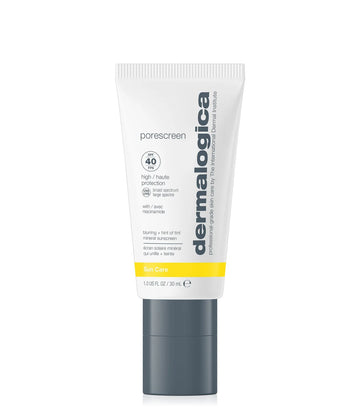
Look for fluids, gels and mattifying finishes. Dermalogica Porescreen SPF40 is a mineral sunscreen with a sheer tint that also works as a primer, helping to improve the look of pores. Lightweight gels from our suncare gels are worth a look if creams feel heavy.
Dry or mature skin
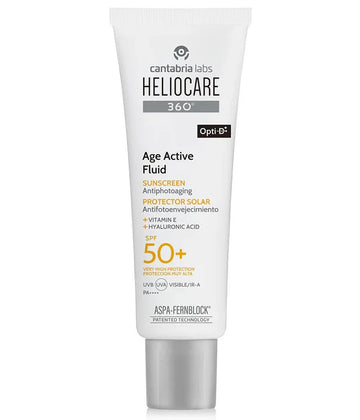
A fluid with added skin-supporting ingredients can stand in for your morning moisturiser on lighter days. Heliocare 360 Age Active Fluid SPF50 is a light, fast-absorbing fluid designed for skin showing signs of ageing, and it layers easily over a serum.
Sensitive or redness-prone skin
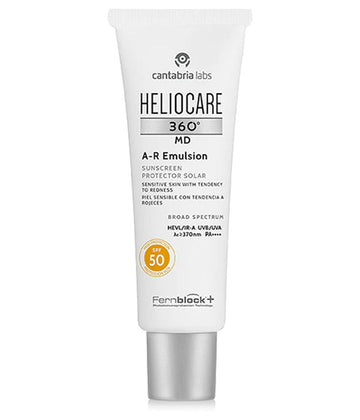
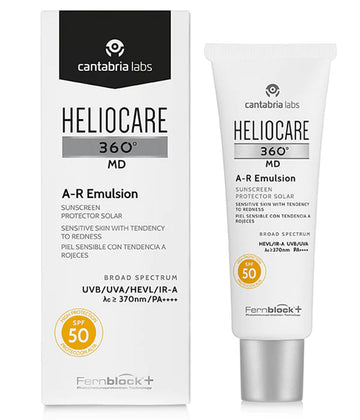
Keep formulas simple and avoid heavy fragrance. Heliocare 360 A-R Emulsion SPF50 is made for skin prone to visible redness, with a light emulsion texture. If your skin reacts to many products, mineral formulas are often a sensible place to start, and a pharmacist or dermatologist can help if irritation persists.
Darker skin tones and white cast
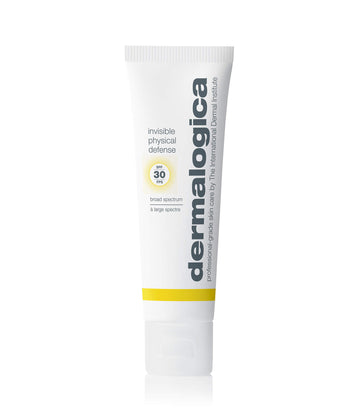
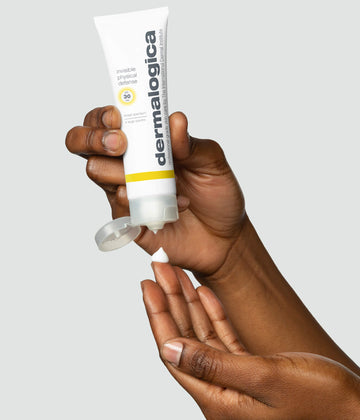
Everyone needs daily protection, including deeper skin tones, where UV can also contribute to uneven tone and dark marks. White cast is a common reason people give up. Dermalogica Invisible Physical Defense SPF30 is a mineral formula designed to go on sheer rather than chalky, and tinted options can blend away any remaining sheen.
Tinted options
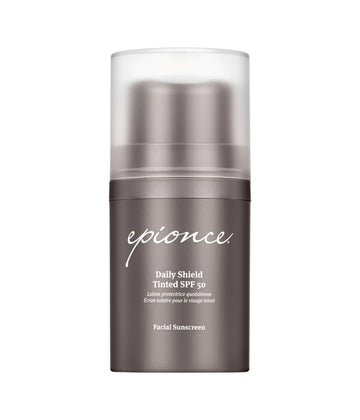
A tinted SPF evens out the look of skin and can replace a light foundation. Epionce Daily Shield Tinted SPF 50 is a tinted sunscreen with a soft, natural finish that suits many skin tones.
Our team's tip: if you dislike a sunscreen, try it again on dry skin, a minute after your serum or moisturiser has sunk in. Many textures that pill or feel greasy simply need a moment between layers.
How much to apply, and when to reapply
Many of us use far less sunscreen than the amount used in testing, which means we get less protection than the label suggests. For the face and neck, aim for about half a teaspoon. An easy guide is the two finger rule: squeeze a line of sunscreen along the length of your index and middle fingers.
- Apply SPF as the last step of your skincare, before make-up.
- Do not forget your ears, the sides of your neck and your hairline.
- Reapply every two hours when you are outdoors, and straight after swimming, sweating or towel drying.
- On an office day, a morning application covers most needs, but top up before a lunchtime walk or an evening outdoors.
SPF and make-up
SPF in foundation is a welcome extra, but very few people apply enough foundation to reach the number on the label. Treat it as a top-up layer over your sunscreen, not a replacement.
Oxygenetix Oxygenating Foundation SPF 30 is a breathable, buildable foundation that works well over a daily sunscreen. For reapplying over make-up during the day, a tinted fluid pressed on gently with fingertips or a sponge is easier than you might expect.
SPF in winter
UVB levels drop in the UK between autumn and early spring, but UVA continues through the darker months. Winter is also when many people use retinol, acids and brightening serums, which can leave skin more sensitive to the sun. A daily SPF helps protect the results you are working towards.
If you ski, take extra care: snow reflects UV, and levels rise with altitude. Choose a high SPF and reapply often.
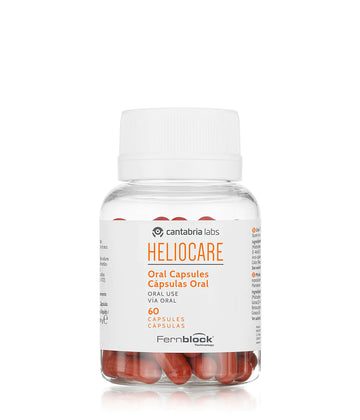
You may also see sun supplements such as Heliocare Oral Capsules. These are food supplements. They never replace sunscreen, and supplements are not a substitute for a varied, balanced diet.
Finding your everyday SPF
The best daily SPF for your face is the one you reach for every morning without thinking. Start with the texture that suits your skin, check for good UVA and UVB protection, and use enough of it.
If you would like help narrowing it down, our skin quiz takes a couple of minutes and suggests products for your skin type and concerns. Our team is also happy to talk through your routine and recommend a sunscreen you will enjoy wearing.