

Free shipping to UK Mainland £50+
14-Day Returns Policy
Carbon Neutral Deliveries

Find Your Glow

Take 2 minutes to find your perfect routine

Get Started

Derma Loyalty Club

Earn points with every purchase

Join The Club
Added to bag
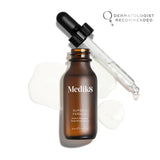
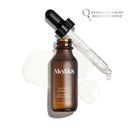
Medik8 Super C Ferulic

Medik8 Super C Ferulic

£69.00
+Derma Points

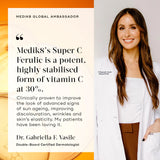
A powerful 30% vitamin C serum that targets wrinkles, dark spots, uneven tone and loss of firmness — ideal for advanced sun-damaged skin.

  • Clearpay
  • American Express
  • Apple Pay
  • Diners Club
  • Discover
  • Google Pay
  • Klarna
  • Maestro
  • Mastercard
  • PayPal
  • Shop Pay
  • Union Pay
  • USDC
  • Visa
Order by 3PM weekdays for same day dispatch
Dry Skin
Pigmentation
Redness & Rosacea
Wrinkles
Acne / Blemish-Prone

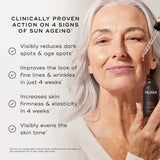
Medik8 Super C Ferulic is an ultra-potent, clinical-strength vitamin C serum designed to target the four key signs of advanced sun ageing: wrinkles, dark spots, uneven tone and loss of firmness. Featuring an exceptional 30% concentration of stabilised ethylated L-ascorbic acid, this fast-absorbing antioxidant formula delivers powerful brightening, firming and wrinkle-reducing results for visibly rejuvenated skin.

The addition of ferulic acid and turmeric root extract enhances antioxidant performance, helping to fade stubborn pigmentation and defend the skin from environmental damage. Its lightweight, non-greasy texture integrates effortlessly into any morning routine and is suitable for all skin tones.

Clinically proven and highly stable, this is Medik8’s most powerful vitamin C solution — ideal for mature or sun-damaged skin seeking maximum correction and long-term radiance.

Benefits

  • Visibly reduces wrinkles and fine lines.
  • Clinically proven to fade dark spots and improve uneven tone.
  • Boosts firmness and elasticity for a more lifted look.
  • Brightens and revitalises dull, sun-damaged skin.
  • Highly stable 30% vitamin C maintains potency to the last drop.
  • Lightweight, non-greasy and fast-absorbing — perfect for daily AM use.

Key Ingredients

  • Ethylated L-Ascorbic Acid (30%) – A high-strength yet exceptionally stable form of vitamin C that delivers fast, visible brightening, anti-wrinkle and antioxidant benefits.
  • Ferulic Acid – A powerful antioxidant that enhances vitamin C performance and strengthens environmental defence.
  • Turmeric Root Extract – Provides additional antioxidant protection and boosts the visible reduction of dark spots and uneven tone.
  • Vitamin E – Works synergistically with vitamin C to defend against free-radical damage.

After cleansing the skin in the morning, apply four drops to the face and massage in until absorbed.On application skin may tingle a little, but this is normal and shows the product is working. Follow with a moisturiser and sunscreen for best results.

30ml

Methoxymethylbutanol, Ethyl Ascorbic Acid, Propylene Glycol, Butylene Glycol, Pentylene Glycol, Caprylic/Capric Triglyceride, Citrus Grandis (Grapefruit) Peel Oil, Propylene Glycol Dibenzoate, Tetrahydrodiferuloylmethane, Tocopheryl Acetate, Citrus Limon (Lemon) Peel Oil, Citrus Aurantifolia (Lime) Fruit Oil, Cyclohexasiloxane, Pelargonium Graveolens (Geranium) Flower Oil, Cyclopentasiloxane, Limonene, Geraniol, Linalool, Citral

Medik8

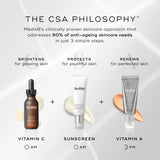
Medik8 products are built on the ground breaking methodology of the CSA philosophy. The simple yet impactful skincare regime follows the approach of Vitamin C + Sunscreen by day and Vitamin A by night.

Medik8 Vitamin C products like Medik8 C-Tetra focuses on building shields against daily life while promoting the production of collagen.

Medik8 sunscreen products like Medik8 Advanced Day Total Protect focus on high strengths sun protection to protect your skin from sun damage

Medik8 Vitamin A night creams and serums focus on cellular renewal and reduce production of sebum. Whether you’re starting out with Crystal Retinal 1 or advanced Intelligent Retinol 10TR, Medik8 Vitamin A serums are some of the most advanced in skincare
Your Bag
Ingredient
Vitamin C
What It Is

Vitamin C is an essential nutrient required for the growth and repair of tissues in all parts of the body, including the skin, but we cannot produce it on our own. The powerful antioxidant is found naturally in fruits and vegetables and commonly produced synthetically in skincare products, such as moisturisers, toners, and, most often, serums.

What It Does

How to use in your skincare routine?

Whether your skin is dry, oily, or a combination, vitamin C is beneficial for skin health, helping it look and feel healthier and younger longer.

Before you apply the vitamin C, test a patch of skin with a lower-concentration formula to see how your skin reacts. Some minor tingling is normal, but if you experience anything more intense, stop using the product and talk to your dermatologist.

For best results, apply this vitamin topically 1-2 times a day, morning and night. Be sure to apply a moisturiser with a broad-spectrum SPF after vitamin C application for daytime.

Benefits
  • Vitamin C makes sun damage and surface pigment spots less visible and brightens a dull, blotchy skin.
  • It is a powerful antioxidant that protects the skin from irritation, inflammation and environmental pollution.
  • It reduces red blotches left after spots by improving the skin’s natural healing process.
  • It increases the effectiveness of sunscreen and gives the skin better protection from UV rays 
Vitamin E
What It Is

Vitamin E is a fat-soluble, essential nutrient with anti-inflammatory properties. Vitamin E helps support the immune system, cell function, and skin health. It’s an antioxidant, making it effective at combating the effects of free radicals produced by the metabolism of food and toxins in the environment.

Vitamin E is a powerful antioxidant that may be effective at reducing UV damage in skin. And when applied topically may help nourish and protect your skin from damage caused by free radicals.

What It Does

How to use in your skincare routine?

It can be used underneath moisturiser and sunscreen in the morning [if it’s a vitamin E oil] and is sometimes combined with other antioxidants, such as Vitamin C in Serums.

Best suited for those with dry, very dry, or mature skin.

Avoid using if you have very oily, acne prone skin or those prone to sensitivity.

Benefits

In moisturisers it can:

  • Stop skin from losing moisture.
  • Protect cells from damage.
  • Soften skin.
AHAs / BHAs / PHAs
What It Is

The world of acids can be divided into a few categories, three to be precise: Alpha Hydroxy Acids (AHAs), Beta Hydroxy Acids (BHAs) and the underdog, Polyhydroxy Acids (PHAs). If you're using a skincare acid, it'll fall into one of these three categories.

AHAs

These may ring some bells as you're bound to find an AHA already hiding in your skincare routine. AHAs are chemical exfoliators that can be extremely helpful for oily or blemish-prone skin if used on a regular basis.
The top dogs in this category are Glycolic Acid and Lactic Acid. You can find them mixed in with serums, moisturisers, cleansers and toners, depending on how high of a dosage you want to use (the smaller the percentage, the less potent the formula).

BHAs

Whilst they are also chemical exfoliators, AHAs and BHAs treat different skin problems.
AHAs are ideal for those concerned with ageing skin, whereas BHAs are best for those who are one the oilier side of the skincare spectrum and struggle with acne, blackheads and milia (the little white bumps you sometimes see under the skin).
Whilst AHAs are only water soluble, BHAs are oil soluble, which is why they are ideal for those struggling with an oil-slick T-zone. They can get below the oil that’s clogging up your skin and also have antibacterial and anti-inflammatory properties. So they help spots disappear quicker and calm any redness.
The most popular BHA is Salicylic Acid. It can be found in a range of different formulas targeted at spot treatments.

PHAs

The underdog of the acid trilogy, PHAs don't get the praise they deserve.

"PHAs (AKA Polyhydroxy Acids) are very similar to traditional alpha hydroxy acids, because both work by breaking down the 'glue' that binds dull, dead cells to the surface of the skin." Daniel Isaacs, Scientific Director at Medik8

They're especially beneficial for those who find other acids too strong. 'Even very sensitive skin types can harness the resurfacing powers of PHAs,' says Daniel. 'In clinical studies, they have been proven to be compatible with dry, itchy skin conditions such as eczema and atopic rosacea.'
The most common PHA acids are Gluconolactone, Galactose and Lactobionic - bit of a mouthful to say but well worth looking out for the next time you’re in the market for a new chemical exfoliant.

Antioxidants