


Free UK mainland delivery over £50
14-Day Returns Policy
Carbon Neutral Deliveries
Skin quiz Not sure where to start? Answer a few quick questions and we'll suggest a routine for your skin. Take the quiz The Derma Club Earn points every time you shop Swap your points for money off, plus 250 bonus points when you join. Join the club
Added to bag
Biretix Double Correction Serum

Biretix Double Correction Serum

£40.00
+Derma Points

A dual-action serum for adult blemish-prone skin with RETINSPHERE®, 5% niacinamide and controlled-release AHAs to clarify, refine and smooth.

Order by 3PM weekdays for same day dispatch
  • Visa
  • Mastercard
  • American Express
  • Apple Pay
  • Google Pay
  • PayPal
  • Klarna
  • Clearpay

Skin type

Tap a tag to see more products for your skin, or take the skin quiz for a full routine.

Biretix Double Correction Serum is a dual-action serum for adult skin prone to blemishes that is also showing signs of ageing. It helps visibly reduce blemishes, smooth uneven texture, refine pores and improve clarity while supporting the skin barrier.

RETINSPHERE® technology pairs hydroxypinacolone retinoate with encapsulated retinol for effective renewal with minimal irritation. 5% niacinamide strengthens and calms, Azeclair helps regulate sebum, and controlled-release AHAs smooth texture.

In just 14 days it helps reduce sebum, shine and the look of pores, with visible improvements in redness and blemishes from 28 days. Lightweight, oil-free and non-comedogenic, it leaves skin smooth and matte.

Benefits

  • Reduces sebum, shine and the look of pores in 14 days.
  • Visibly reduces blemishes and redness.
  • Fades the look of post-blemish marks.
  • Smooths texture and softens fine lines.
  • Supports the skin barrier.
  • Lightweight, oil-free, matte finish.

Key Ingredients

  • RETINSPHERE® Technology: Hydroxypinacolone retinoate and encapsulated retinol for renewal with minimal irritation.
  • Azeclair: Helps reduce sebum, soothe and even tone.
  • 5% Niacinamide: Strengthens the barrier, calms and minimises the look of pores.
  • Controlled-Release AHAs: Promote cell turnover to smooth texture and even tone.
  • For the first 30 days, apply a pea-sized amount once daily in the evening.
  • For the following 30 days, apply morning and evening.
  • Use with the Biretix Cleanser and Hydramat Fluid for a complete routine.
  • Wear a high-protection broad-spectrum SPF daily, as actives can increase sensitivity to UV.

30ml

Aqua; Niacinamide; Potassium Azeloyl Diglycinate; Polyglyceryl-3 Distearate; Caprylyl Caprylate/Caprate; Butylene Glycol; Caprylic/Capric Triglyceride; Coconut Alkanes; Pentylene Glycol; Silica; Steareth-100; Arginine; Cellulose; Glycolic Acid; Coco-Caprylate/Caprate; Trisodium Ethylenediamine Disuccinate; Steareth-2; Glyceryl Stearate Citrate; Glyceryl Stearate; Polyacrylate Crosspolymer-6; Tocopheryl Acetate; Lactic Acid; Sodium Magnesium Silicate; Citric Acid; Parfum; Hexamidine Diisethionate; Macadamia Integrifolia/Tetraphylla Seed Oil; Trihydroxystearin; Retinol; Polysorbate 20; Potassium Chloride; Phenoxyethanol; Xanthan Gum; PEG-8; Mannan; Tocopherol; Hydroxymethoxyphenyl Decanone; Dimethyl Isosorbide; Chlorphenesin; Caprylyl Glycol; Ascorbyl Palmitate; Hydroxypinacolone Retinoate; Ascorbic Acid.

Biretix

Biretix is a dermatologist-developed skincare line specifically formulated for oily, blemish-prone and acneic skin. Its unique RetinSphere® Technology blends two retinoid esters with innovative delivery systems to deliver the benefits of Vitamin A with minimal irritation. Complementary ingredients such as salicylic acid, glycolic acid and niacinamide help to unclog pores, reduce excess sebum and calm visible redness. Suitable for adolescent and adult breakouts alike, Biretix offers a full range of cleansers, serums, creams and targeted treatments to restore a clearer, smoother complexion. The brand’s evidence-based formulas make it a trusted choice for dermatologists and skin professionals around the world.
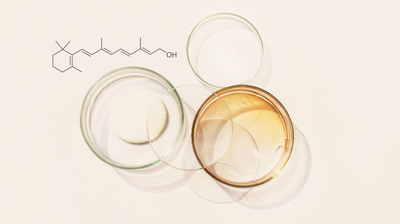
Vitamin A explained: retinol, retinal and why you should start low

Further reading from The Derma Edit

Vitamin A explained: retinol, retinal and why you should start low

Read the guide
Your Bag
Ingredient
Vitamin A / Retinol
What It Is

Vitamin A / Retinol plays a bunch of key roles in the body, and it’s essential when it comes to the health of your skin. It’s involved in the production of fresh, new cells, which keeps your skin both functioning and looking its best.

Vitamin A contains retinoids, compounds that come in many forms such as:

  • Retinol - Once in the middle layer of skin, retinol helps neutralise free radicals. This helps boost the production of elastin and collagen, which creates a “plumping” effect that can reduce the appearance of, fine lines, wrinkles and enlarged pores
  • Retinyl -This is the least irritating of all four retinoids, it's a great option for almost all skin types and anyone who wants to keep their pores clear and skin youthful. It promotes skin cell turnover, improves skin tone, helps unclog pores and helps thicken the dermis to slow down the formation of wrinkles.
  • Retinal - This is the only retinoid that exhibits direct antibacterial properties. This makes it perfect for those prone to blemishes. With continued use, it diminishes the bacteria responsible for breakouts to leave skin looking clear, radiant and youthful.
What It Does

How to use in your skincare routine?

We recommend them as part of a nightly skin care routine, when most people don’t mind adding an extra step or two. But it’s also fine to use Vitamin A / Retinol in the daytime, as long as you finish with a broad-spectrum sunscreen rated SPF 30 or greater.

Don’t forget—when you apply your Vitamin A / Retinol product, be sure to include your neck and chest so you get those amazing benefits there, too.

Benefits

Retinoids can help exfoliate skin on the surface, removing dirt, oil, and dead skin cells from pores to prevent pimples. They also penetrate the skin’s surface to stimulate collagen and elastin production, which can help reduce the appearance of pores and acne scarring.

Vitamin A / Retinol , works to reduce the appearance of fine lines and wrinkles by stimulating collagen production.

Niacinamide
What It Is

Although the word Niacinamide may sound a little scary, it’s basically Vitamin B3, an essential nutrient for your skin. This is why Niacinamide can help your skin look healthier.

It can be found in vitamin-rich foods, such as kale, mushrooms and almonds, which help take great care of your body from the inside, as well as in our skin care products to pamper it from the outside.

What It Does

Niacinamide is a true multitasker. From boosting hydration to protecting the skin from environmental damage, it offers a wide variety of benefits. It penetrates your skin and helps renew your complexion from within.

Benefits

Although Niacinamide may be less talked about than the wonder ingredient of the decade, retinol, its benefits are just as significant. Here are some of the most amazing skin benefits of Niacinamide:

  • Increases the skin’s ability to maintain hydration. Niacinamide strengthens your skin’s moisture barrier to improve its ability to hold on to moisture. Your skin is less likely to dry out and will stay hydrated for longer. If dry skin is a concern for you, view the range here.
  • Improves skin texture. It helps reduce the size of your pores while keeping your skin moisturised.
  • Rejuvenates the eye area. The skin around your eye is extremely delicate, and this is where usually the first signs of skin ageing appear. Niacinamide can help with these skin concerns and reduce the appearance of fine lines and wrinkles for younger-looking eyes.
  • Helps with dark spots and hyperpigmentation. Niacinamide’s is a true multitasker, it can also help lighten dark spots and the marks of hyperpigmentation.
  • Aids surface skin cell regeneration for younger-looking skin. By locking in moisture, Niacinamide provides your skin with the moisture it needs for natural skin cell turnover to take place properly.
  • Helps with oily skin. Niacinamide helps regulate sebum production and this can help control oily skin.
AHAs / BHAs / PHAs
What It Is

The world of acids can be divided into a few categories, three to be precise: Alpha Hydroxy Acids (AHAs), Beta Hydroxy Acids (BHAs) and the underdog, Polyhydroxy Acids (PHAs). If you're using a skincare acid, it'll fall into one of these three categories.

AHAs

These may ring some bells as you're bound to find an AHA already hiding in your skincare routine. AHAs are chemical exfoliators that can be extremely helpful for oily or blemish-prone skin if used on a regular basis.
The top dogs in this category are Glycolic Acid and Lactic Acid. You can find them mixed in with serums, moisturisers, cleansers and toners, depending on how high of a dosage you want to use (the smaller the percentage, the less potent the formula).

BHAs

Whilst they are also chemical exfoliators, AHAs and BHAs treat different skin problems.
AHAs are ideal for those concerned with ageing skin, whereas BHAs are best for those who are one the oilier side of the skincare spectrum and struggle with acne, blackheads and milia (the little white bumps you sometimes see under the skin).
Whilst AHAs are only water soluble, BHAs are oil soluble, which is why they are ideal for those struggling with an oil-slick T-zone. They can get below the oil that’s clogging up your skin and also have antibacterial and anti-inflammatory properties. So they help spots disappear quicker and calm any redness.
The most popular BHA is Salicylic Acid. It can be found in a range of different formulas targeted at spot treatments.

PHAs

The underdog of the acid trilogy, PHAs don't get the praise they deserve.

"PHAs (AKA Polyhydroxy Acids) are very similar to traditional alpha hydroxy acids, because both work by breaking down the 'glue' that binds dull, dead cells to the surface of the skin." Daniel Isaacs, Scientific Director at Medik8

They're especially beneficial for those who find other acids too strong. 'Even very sensitive skin types can harness the resurfacing powers of PHAs,' says Daniel. 'In clinical studies, they have been proven to be compatible with dry, itchy skin conditions such as eczema and atopic rosacea.'
The most common PHA acids are Gluconolactone, Galactose and Lactobionic - bit of a mouthful to say but well worth looking out for the next time you’re in the market for a new chemical exfoliant.

Glycolic Acid
What It Is

Glycolic acid is a type of alpha-hydroxy acid (or AHA) that's derived from sugar cane. It joins other acids you might recognize, such as lactic acid (derived from sour milk and purportedly a favorite of Cleopatra's), tartaric acid (from grapes), and citric acid - which, you might guess, comes from citrus fruits.

But it's unique, of the AHAs, glycolic is the simplest in structure and the smallest, it has the lowest molecular weight. That small molecular weight means it's easy for it to penetrate your skin and be super effective.

What It Does

As with any exfoliant, it's best to start small if you have sensitive skin or are prone to irritation. We recommend initially opting for a cleanser which will allow your skin to acclimatise first, rather than diving straight into a leave-on glycolic product if you are unsure whether your skin can tolerate it. Try one that pairs glycolic with hydrating ingredients, like hyaluronic acid.

Benefits

When it comes to glycolic acid benefits, the list is long. First and foremost, this is an exfoliant. It helps shed dead skin cells and reveal the newer, brighter layers underneath by acting on the stratum corneum (the outermost layer of skin).

But because glycolic acid is so small, it can get deeper into your skin too, where it does some serious work. Glycolic acid stimulates fibroblasts in the dermis to produce increased amounts of collagen. By stimulating collagen production, it helps skin feel firmer and minimises fine lines and wrinkles.

Vitamin E
What It Is

Vitamin E is a fat-soluble, essential nutrient with anti-inflammatory properties. Vitamin E helps support the immune system, cell function, and skin health. It’s an antioxidant, making it effective at combating the effects of free radicals produced by the metabolism of food and toxins in the environment.

Vitamin E is a powerful antioxidant that may be effective at reducing UV damage in skin. And when applied topically may help nourish and protect your skin from damage caused by free radicals.

What It Does

How to use in your skincare routine?

It can be used underneath moisturiser and sunscreen in the morning [if it’s a vitamin E oil] and is sometimes combined with other antioxidants, such as Vitamin C in Serums.

Best suited for those with dry, very dry, or mature skin.

Avoid using if you have very oily, acne prone skin or those prone to sensitivity.

Benefits

In moisturisers it can:

  • Stop skin from losing moisture.
  • Protect cells from damage.
  • Soften skin.